Blogs
Back to Posts
Handling Regret: The Importance of Seeking Support for Mental Health

EmpathySpace TherapyHub
Dec 4, 2023
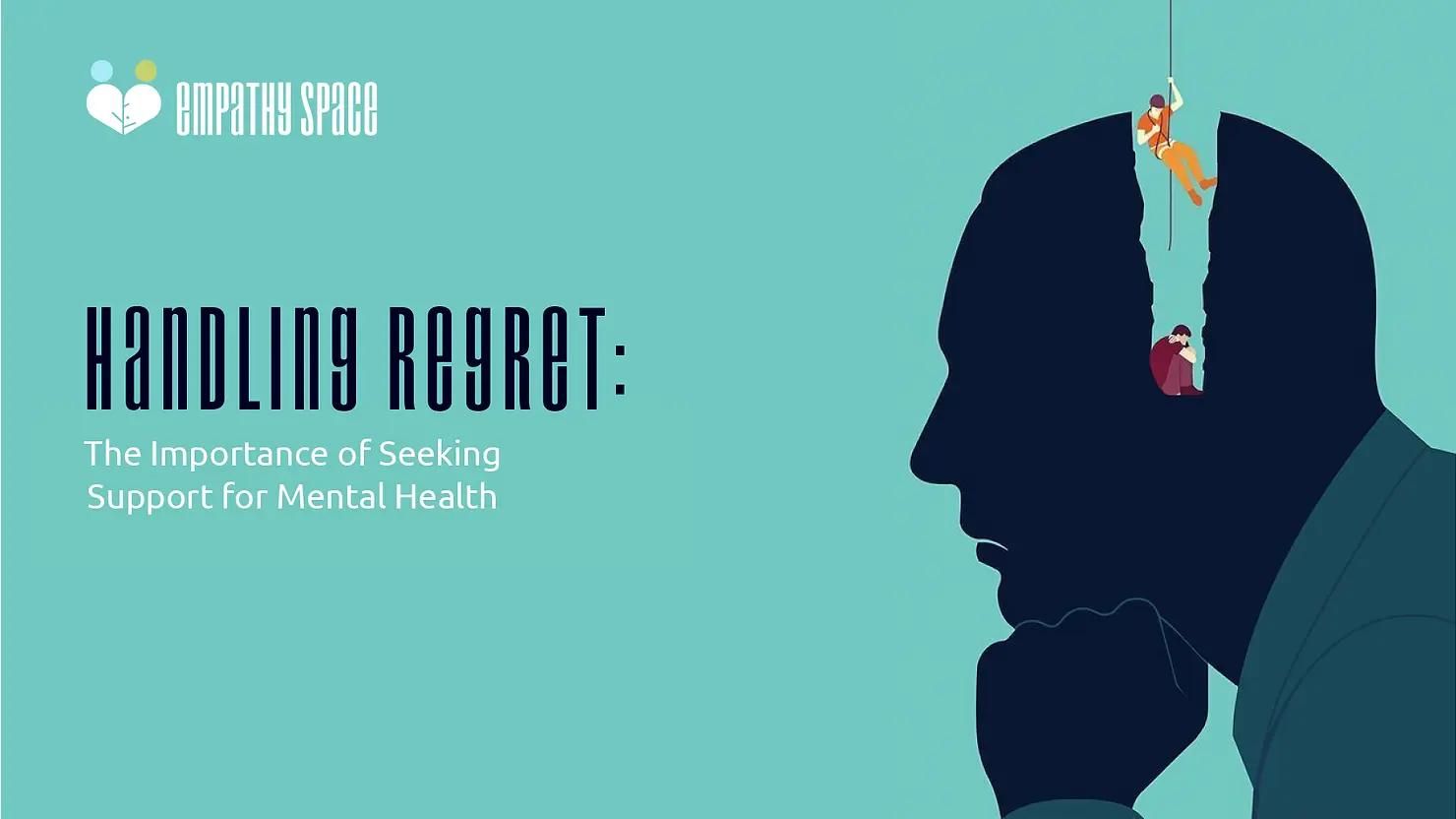
Regret is a natural part of life; it's a reminder of our humanity and the complexity of decisions. Yet, when regret lingers, it can cast a shadow on our well-being.
Regret often stems from actions not taken, decisions made, or opportunities missed. It's the echo of "what if" that reverberates within us. While it's normal to feel regret, dwelling on it can lead to emotional distress, affecting mental health.
Impact on Mental Health
Persistent regret can fuel feelings of anxiety, depression, or even lead to rumination, where negative thoughts dominate our mental landscape. It can create a cycle of self-doubt and diminish self-worth, impacting our overall mental well-being.
Seeking Support
Acknowledging regret is the first step toward healing. Seeking support, whether through friends, family, or professional counseling, is crucial. Talking about your regrets can offer perspective, validation, and a path towards acceptance and healing.
The Importance of Help
Avoiding seeking help can intensify the emotional burden of regret. Suppressing emotions may lead to prolonged distress, impacting various facets of life, including relationships, work, and self-esteem.
Taking Steps Towards Healing
- Embrace self-compassion and forgive yourself. Learn from past experiences without dwelling on them excessively. Focus on the present and take proactive steps towards a healthier mindset.
- Remember, seeking help is a sign of strength, not weakness. Your mental health matters, and addressing regret in a healthy manner can pave the way for personal growth and resilience.
- Stay strong, and remember, tomorrow offers new opportunities for growth and happiness.
Next Steps: Find the Right Support
Couples & Relationship Therapy
Strengthen your relationship with professional couples therapy and individual relationship counseling.
Explore Ololufe Package →Substance Abuse & Recovery Support
Get compassionate support for substance use recovery with our specialized Sober Up plan.
Explore Sober Up Plan →Not sure which program is right for you?
Book a Consultation
Breaking Free: Understanding Gambling Addiction and Steps to Recovery
Struggling with gambling addiction in Lagos? Get expert support with inpatient care, teletherapy, and counseling from EmpathySpace’s team of psychiatrists.
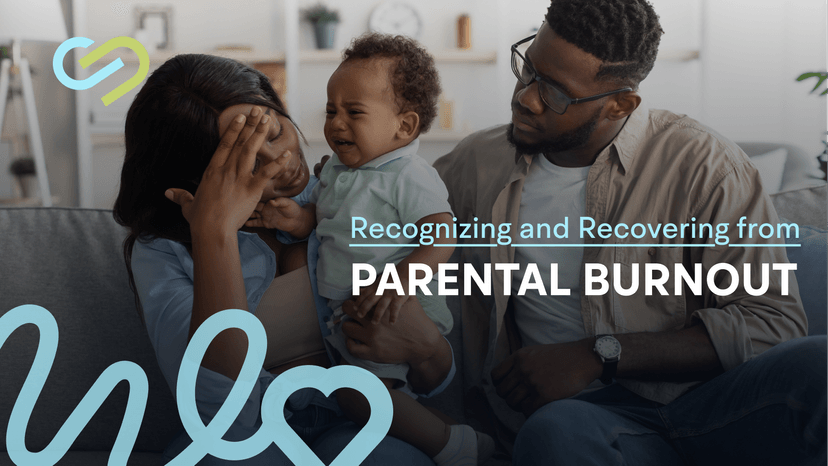
How to Recognize and Recover from Parental Burnout
Discover how to recognize and recover from parental burnout with this complete guide for Nigerian parents. Learn practical strategies for mental wellness, stress management, and finding joy in parenting again.