Blogs
Back to Posts
Living Well with Bipolar Disorder: Tips for Management and Support

EmpathySpace TherapyHub
Mar 30, 2024
EmpathySpace Therapists Explain How to Thrive
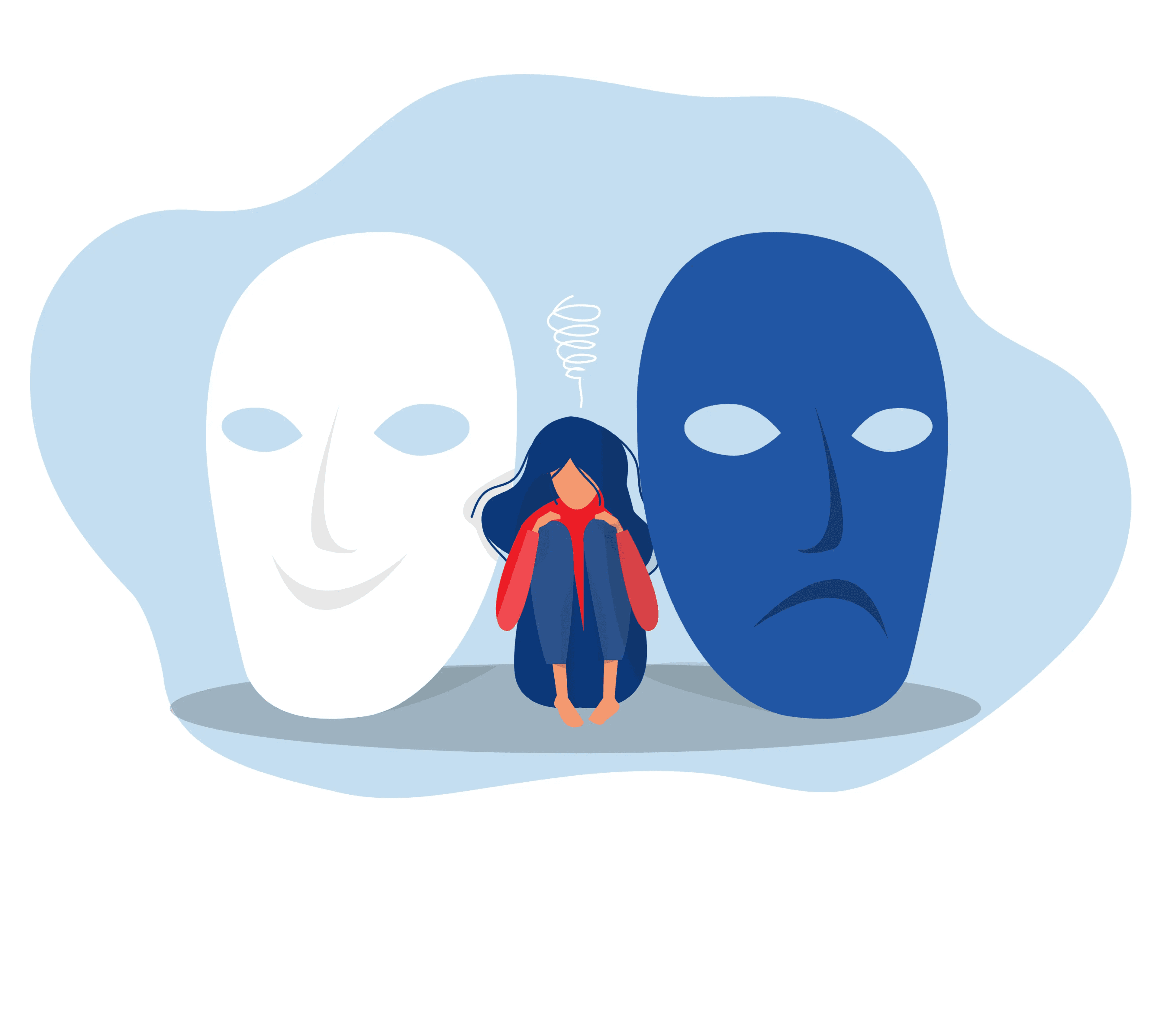
Bipolar disorder, also known as manic-depressive illness, is a mental health condition that causes extreme mood swings. These swings can range from periods of mania (high energy, racing thoughts) to depression (low energy, feelings of hopelessness). While bipolar disorder can be a challenge, it's important to remember that many people with this condition live fulfilling lives.
At EmpathySpace, our team of licensed therapists understands the complexities of bipolar disorder. We're here to provide support and guidance as you navigate this condition. In this blog post, we'll discuss:
- Understanding Bipolar Disorder
- Management Strategies for Bipolar Disorder
- Effective Coping Mechanisms
- The Importance of Seeking Professional Help
“Unlike the popular belief on social media where people give themselves titles of bipolar because they have mood swings which may be a result of lack of assertiveness and attention-seeking behavior as well as low self-esteem, bipolar is a mental illness where the person suffering from it can experience a phase of mania which can last for as long as possible before experiencing the other phase. And the phases in bipolar are not rotational (eg, the person experienced manic episodes, then automatically the next thing the person will experience is the depressive episodes), hence, proper diagnoses from professionals is required.” Tunde Ayanyemi (Clinical Psychologist)
Understanding Bipolar Disorder
Bipolar disorder affects millions of people worldwide. Data on the prevalence of bipolar disorder in Africa is limited, but studies conducted in Nigeria suggest a lifetime prevalence rate of 0.1% to 1.83%. This highlights the importance of raising awareness and improving access to mental health services. It can develop at any age, though it often first appears in late adolescence or early adulthood. There are several types of bipolar disorder, each with its own set of symptoms. The two main types are:
- Bipolar I Disorder: This type involves episodes of both mania and depression.
- Bipolar II Disorder: This type involves episodes of depression and hypomania (a milder form of mania).
Bipolar Disorder Symptoms
Manic Episodes:
- Increased energy and activity levels
- Racing thoughts and difficulty concentrating
- Inflated self-esteem
- Decreased need for sleep
- Engaging in risky behaviours
Depressive Episodes:
- Feelings of sadness or hopelessness
- Loss of interest in activities you once enjoyed
- Changes in appetite and sleep patterns
- Difficulty concentrating
- Thoughts of death or suicide
Management Strategies for Bipolar Disorder
There is no cure for bipolar disorder, but there are effective treatments available. These treatments can help manage symptoms and improve your overall quality of life. Common management strategies include:
- Medication: Medications such as mood stabilizers and antidepressants can help regulate your mood and prevent episodes.
- Therapy: Therapy can help you identify triggers, develop coping mechanisms, and manage stress.
- Lifestyle Changes: Getting enough sleep, eating a healthy diet, and exercising regularly can all help improve your mood and overall well-being.
- Building a Support System: Surround yourself with supportive friends, family members, and a therapist.
Effective Coping Mechanisms
Living with bipolar disorder can be challenging, but there are steps you can take to cope with your symptoms. Here are some effective coping mechanisms:
- Create a Routine: Sticking to a regular sleep schedule, eating habits, and exercise routine can help stabilize your mood.
- Identify Your Triggers: Learn what triggers your mood swings and develop strategies to avoid them.
- Practice Relaxation Techniques: Techniques like mindfulness meditation and deep breathing can help manage stress and anxiety.
- Express Yourself Creatively: Engaging in creative activities like painting, writing, or music can be a healthy way to express your emotions.
- Join a Support Group: Connecting with others who understand what you're going through can be a valuable source of support.
The Importance of Seeking Professional Help
If you think you or someone you know might have bipolar disorder, it's important to seek professional help. A therapist can diagnose the condition, develop a treatment plan, and provide ongoing support.

Connect with an EmpathySpace Therapists
At EmpathySpace, we offer online therapy services for individuals with bipolar disorder. Our team of licensed therapists can provide you with the support and guidance you need to manage your symptoms and live a fulfilling life.
Click to match with your preferred therapist.
Here are some additional resources you may find helpful:
- National Alliance on Mental Illness (NAMI): National Alliance on Mental Illness (NAMI): https://www.nami.org/
- National Institute of Mental Health: [National Institute of Mental Health (NIMH) bipolar disorder ON National Institutes of Health (.gov) nimh.nih.gov]
- The Jed Foundation: The Jed Foundation: https://www.jedfoundation.org/
Remember, you are not alone. With the right treatment and support, you can manage your bipolar disorder and live a fulfilling life.
References:
Esan, O. F., & Esan, G. A. (2016). Bipolar disorders in Nigeria: a mixed-methods study of patients, family caregivers, clinicians, and the community members' perspectives. International Journal of Social Psychiatry, 62(5), 432-443. https://pubmed.ncbi.nlm.nih.gov/36609729/
Next Steps: Find the Right Support
Couples & Relationship Therapy
Strengthen your relationship with professional couples therapy and individual relationship counseling.
Explore Ololufe Package →Substance Abuse & Recovery Support
Get compassionate support for substance use recovery with our specialized Sober Up plan.
Explore Sober Up Plan →Not sure which program is right for you?
Book a Consultation
Breaking Free: Understanding Gambling Addiction and Steps to Recovery
Struggling with gambling addiction in Lagos? Get expert support with inpatient care, teletherapy, and counseling from EmpathySpace’s team of psychiatrists.

How to Recognize and Recover from Parental Burnout
Discover how to recognize and recover from parental burnout with this complete guide for Nigerian parents. Learn practical strategies for mental wellness, stress management, and finding joy in parenting again.