Blogs
Back to Posts
Overcoming Procrastination: Practical Tips to Boosting Productivity

EmpathySpace TherapyHub
Jun 27, 2024

Overcoming Procrastination: Practical Steps to Boosting Productivity
Procrastination is more than just a time-management issue; it can be a significant mental health challenge. The cycle of delaying tasks often leads to increased stress, anxiety, and a sense of inadequacy. However, by understanding the psychological roots of procrastination and applying effective strategies, you can break free from its grip and improve both your productivity and mental well-being. In this blog post, we’ll explore how to tackle procrastination from a mental health perspective and provide recommendations for engaging graphics to illustrate these concepts.
Table of Contents
- Introduction
- Understand the Psychology of Procrastination
- Break Tasks into Smaller Steps
- Set Clear Goals and Deadlines
- Prioritize Tasks
- Eliminate Distractions
- Use Time Management Techniques
- Reward Yourself
- Seek Support
- Reflect and Adjust
- Conclusion
Introduction
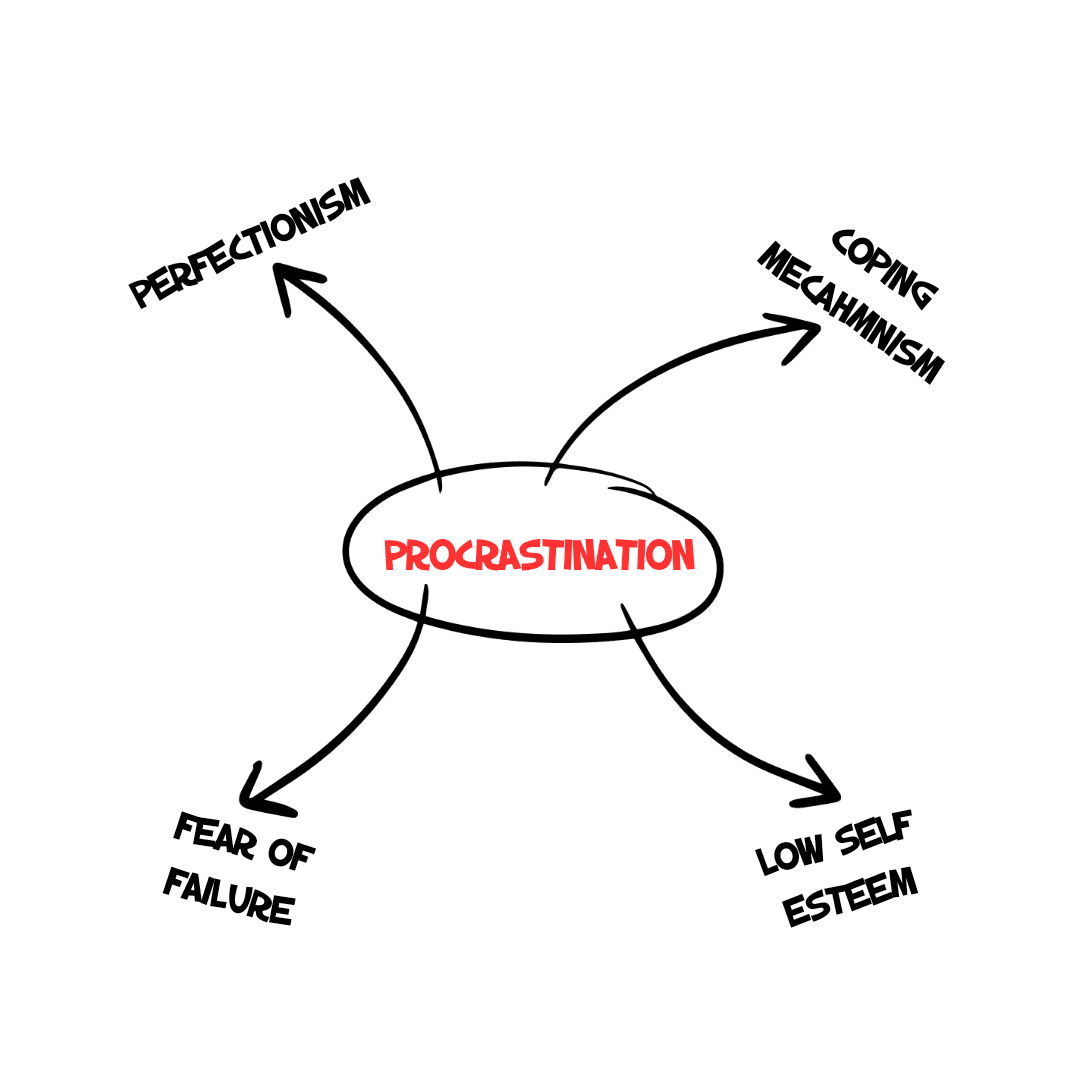
Procrastination is often linked to deeper psychological issues such as fear of failure, perfectionism, and low self-esteem. These mental barriers can lead to chronic procrastination, affecting both personal and professional life. In this blog post, we'll delve into the mental health aspects of procrastination and provide practical strategies to overcome it.

Understand the Psychology of Procrastination
To effectively combat procrastination, it’s crucial to understand its psychological roots. Often, procrastination is a coping mechanism for dealing with challenging emotions and negative self-perceptions.
Common Psychological Triggers:
- Fear of Failure: Avoiding tasks to prevent potential failure.
- Perfectionism: Delaying tasks due to unrealistic standards.
- Low Self-Esteem: Feeling inadequate or incapable of completing tasks.
Break Tasks into Smaller Steps
Large tasks can be overwhelming, especially when dealing with anxiety or low self-esteem. Breaking down tasks into smaller, manageable steps can make them feel less daunting and more achievable.
Example:
- Task: Write a research paper.
- Steps:
- Choose a topic.
- Conduct preliminary research.
- Create an outline.
- Write the introduction.
- Complete the main body.
- Write the conclusion.
- Edit and proofread.

Activity: Identify a large task you have. Write down three smaller steps to start tackling it.
Set Clear Goals and Deadlines
Setting clear goals and deadlines helps create a structure that can alleviate anxiety. This can be particularly helpful for individuals who struggle with decision-making and time management due to mental health issues.
Example:
- Goal: Complete a marketing report.
- Deadline: End of the week.
- Tools: Google Calendar, Trello.

Activity: Choose one goal you want to achieve this week. Set a deadline for it and add it to your calendar.
Prioritize Tasks
Not all tasks are created equal. Prioritizing tasks based on their importance and urgency ensures that you focus on what matters most, reducing feelings of being overwhelmed.
Example:
- High Priority: Client presentation due tomorrow.
- Medium Priority: Team meeting preparation.
- Low Priority: Organizing office supplies.
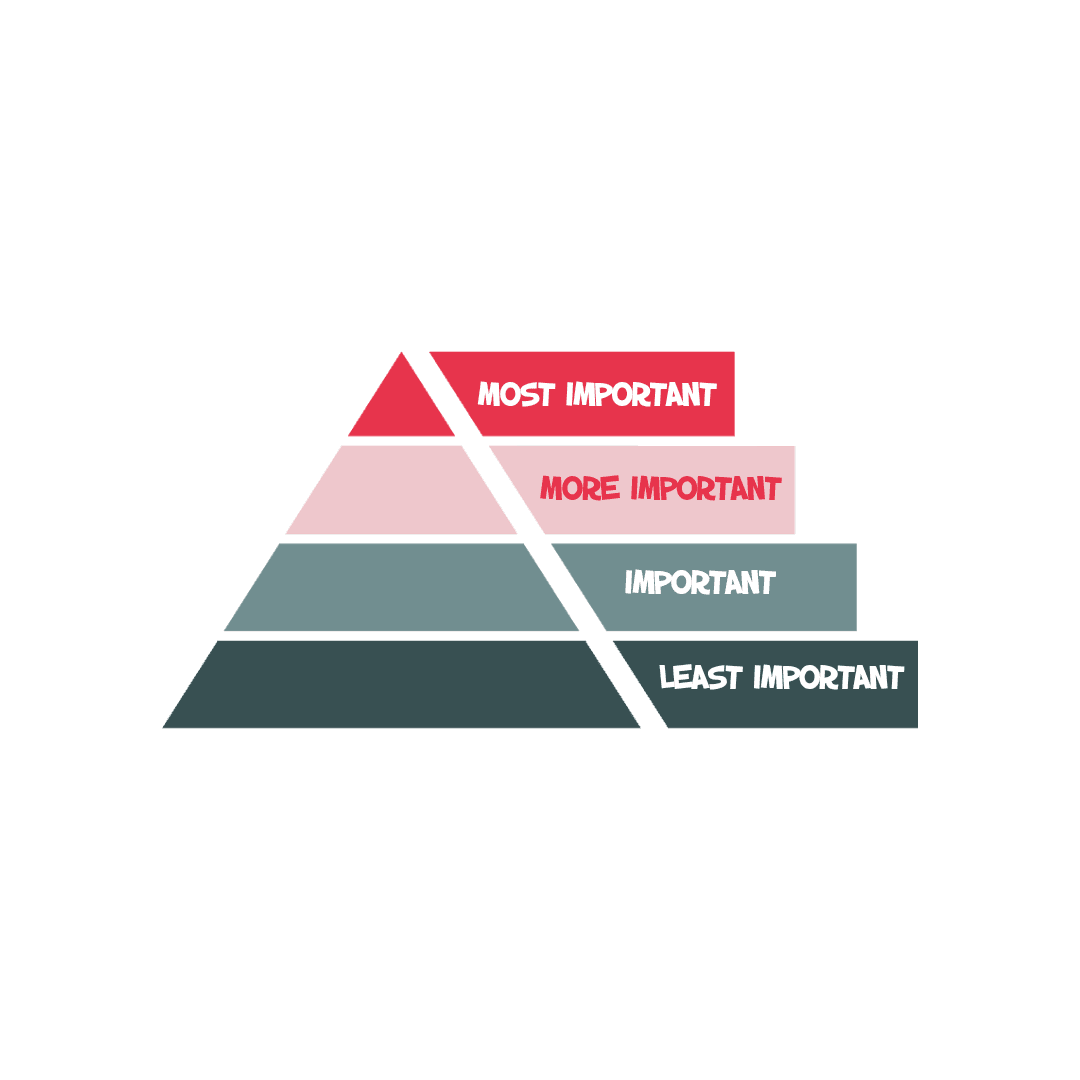
Activity: List your tasks for today. Rearrange them in order of priority.
Eliminate Distractions
Distractions can exacerbate feelings of anxiety and contribute to procrastination. Creating a focused work environment is crucial for mental clarity and productivity.
Common Distractions:
- Social media notifications
- Unnecessary meetings
- Cluttered workspace

Activity: Comment on one major distraction you need to cut from your routine.
Use Time Management Techniques
Effective time management can help mitigate anxiety and increase productivity. Techniques like the Pomodoro Technique, where you work for 25 minutes and take a 5-minute break, can help maintain focus and manage stress.
Example:
- Pomodoro Technique: Set a timer for 25 minutes, work on a task, then take a 5-minute break. Repeat.
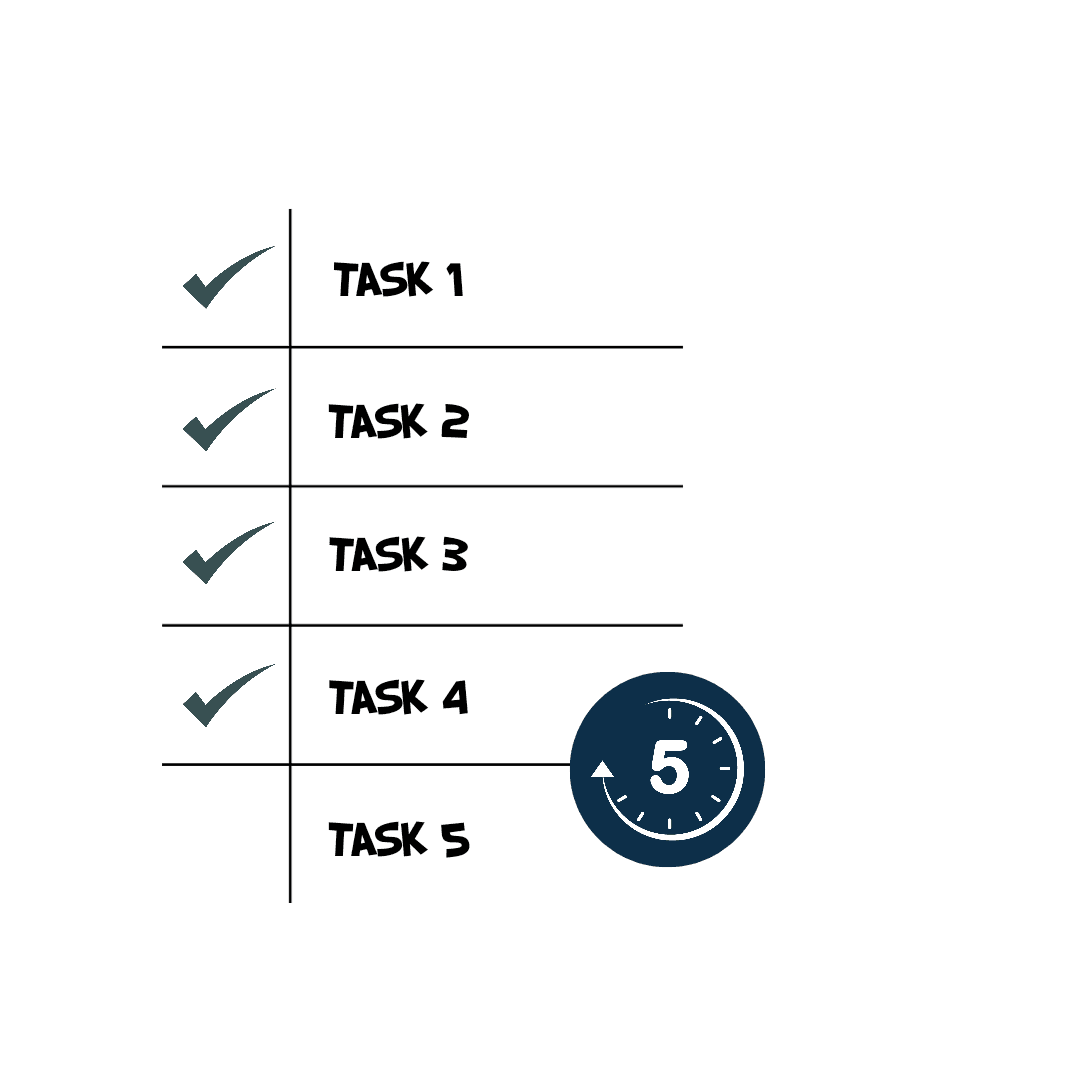
Activity: Try a Pomodoro session now. Set a timer for 25 minutes and focus on one task without interruptions.
Reward Yourself
Setting up a reward system can provide positive reinforcement, making task completion more enjoyable and less stressful. This can be a powerful motivator, especially when dealing with low self-esteem.
Example:
- Reward for completing a report: 15-minute break to enjoy a coffee.

Activity: Plan a small reward for completing your next task. Share what it will be.
Seek Support
Having a support system can provide emotional reassurance and accountability. Sharing your goals with friends, family, or colleagues can help you stay motivated and reduce feelings of isolation.
Example:
- Accountability partner: A colleague who checks in on your progress.

Activity: Find a buddy to share your goals with today. Write down their name and how they can help.
Reflect and Adjust
Regularly reflecting on your progress allows you to identify what strategies work best for you and make necessary adjustments. This self-awareness can lead to better mental health and productivity.
Example:
- Weekly reflection: Spend 10 minutes each Sunday reviewing what worked and what didn't.

Activity: Take five minutes to reflect on what you've learned. Note down one strategy that works best for you.
Conclusion
Overcoming procrastination is not just about better time management; it’s about addressing the underlying psychological factors that contribute to it. By understanding the mental health aspects of procrastination and applying effective strategies, you can improve both your productivity and well-being.
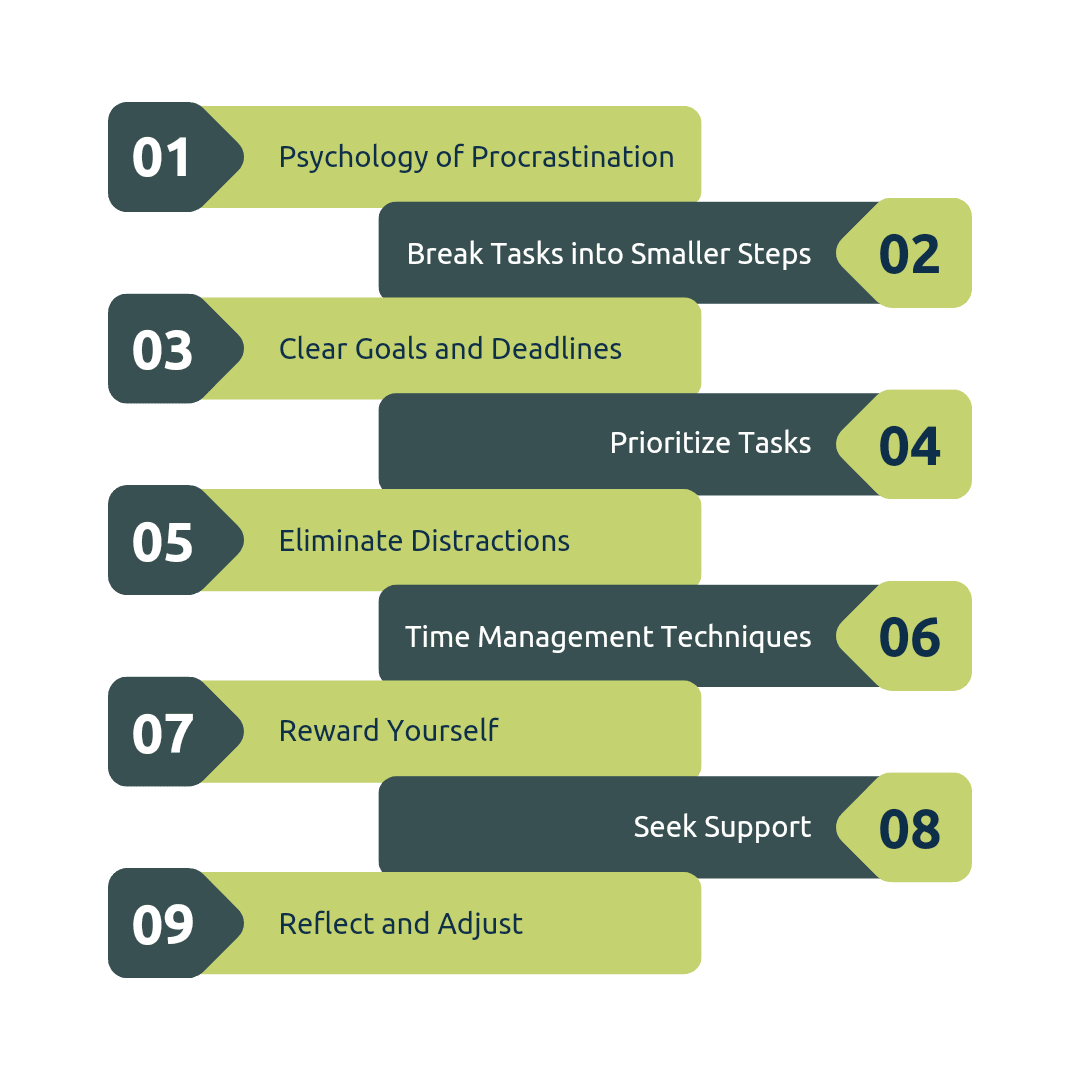
By incorporating these strategies into your daily routine, you can break the cycle of procrastination and enhance your mental health. Remember, the key is to start small, stay consistent, and be kind to yourself throughout the process.
Next Steps: Find the Right Support
Couples & Relationship Therapy
Strengthen your relationship with professional couples therapy and individual relationship counseling.
Explore Ololufe Package →Substance Abuse & Recovery Support
Get compassionate support for substance use recovery with our specialized Sober Up plan.
Explore Sober Up Plan →Not sure which program is right for you?
Book a Consultation
Breaking Free: Understanding Gambling Addiction and Steps to Recovery
Struggling with gambling addiction in Lagos? Get expert support with inpatient care, teletherapy, and counseling from EmpathySpace’s team of psychiatrists.

How to Recognize and Recover from Parental Burnout
Discover how to recognize and recover from parental burnout with this complete guide for Nigerian parents. Learn practical strategies for mental wellness, stress management, and finding joy in parenting again.