Blogs
Back to Posts
Unveiling the Masks: A Look at Signs and Symptoms of Common Personality Disorders

EmpathySpace TherapyHub
May 29, 2024
Personality disorders cause distress to the patient and their loved ones.
Our personalities are what make us unique. They colour our interactions, shape our choices, and define our place in the world. But sometimes, personality traits become so ingrained and inflexible that they cause significant distress and disruption in daily life. That's when we enter the realm of personality disorders.
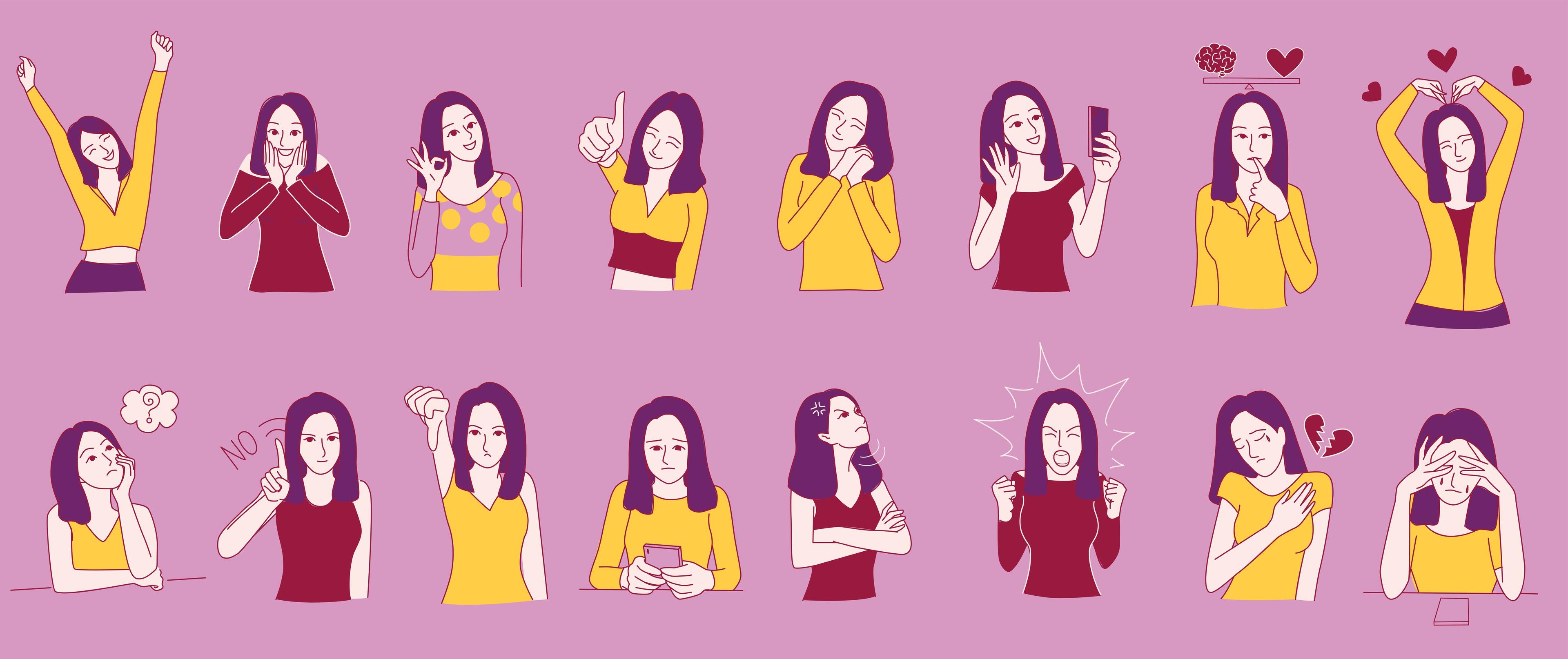
These are not fleeting moods or temporary phases. Personality disorders are enduring patterns of thinking, feeling, and behaving that deviate significantly from societal norms and lead to difficulties in relationships, work, and overall well-being.
Here, we'll delve into some of the most common personality disorders, exploring their signs and symptoms to shed light on what living with them might be like:
1. Borderline Personality Disorder (BPD):
Imagine a world of intense emotions that swing wildly from euphoria to despair. People with BPD struggle with emotional dysregulation, experiencing intense anger, sadness, or anxiety - often triggered by seemingly trivial events. Fear of abandonment is a core feature, leading to clingy or erratic behaviour in relationships.
Signs and Symptoms:
- Emotional instability: Rapid mood swings, intense and unpredictable emotions.
- Unstable relationships: Idealization and demonization of others, difficulty maintaining healthy bonds.
- Impulsive behaviour: Self-harm, substance abuse, reckless driving, reckless spending.
- Unstable self-image: Difficulty defining sense of self, feeling chronically empty or unsure of identity.
- Frantic efforts to avoid abandonment: May engage in manipulation or clingy behaviour.
2. Antisocial Personality Disorder (ASPD):
Often portrayed in movies and TV shows, ASPD is characterized by a disregard for the rights and feelings of others. People with ASPD have a callous disregard for laws and social norms, often engaging in manipulative or exploitative behaviour to get what they want. They may lack empathy and remorse, leaving a trail of broken relationships and consequences in their wake.
Signs and Symptoms:
- Manipulation and deceit: May lie pathologically, con others, or exploit them for personal gain.
- Lack of remorse: No guilt or regret for their actions, even when they cause harm to others.
- Reckless disregard for safety: May take unnecessary risks, and impulsively engage in dangerous activities.
- Irresponsible behaviour: Consistent issues with work, finances, or neglecting obligations.
- Irritability and aggression: Frequent displays of anger, hostility, or violence.
3. Avoidant Personality Disorder (AVPD):

For people with AVPD, the world can be a scary place. They experience intense shyness, social anxiety, and an overwhelming fear of being negatively judged or rejected. This can lead to social isolation and missed opportunities as they avoid situations that might bring scrutiny.
Signs and Symptoms:
- Extreme social anxiety: Fear of public speaking, social interactions, or being scrutinized.
- Feelings of inadequacy: Low self-esteem, feeling inferior to others.
- Limited close relationships: Avoiding social activities or forming bonds out of fear of rejection.
- Hypersensitivity to criticism: Taking things personally, overreacting to perceived slights.
- Preoccupation with being disliked or ridiculed: Obsessing over potential negativity from others.
4. Obsessive-Compulsive Personality Disorder (OCPD):
Do you know someone who needs everything to be "just so"? This is a hallmark of OCPD. People with this disorder have an overwhelming need for orderliness, perfectionism, and control. They may spend an excessive amount of time on details, routines, and mental rituals, ultimately causing distress and hindering their ability to function efficiently.
Signs and Symptoms:
- Preoccupation with orderliness: An intense need for things to be arranged and done in a specific way.
- Perfectionism: Unrealistic standards for themselves and others, leading to procrastination and frustration.
- Excessive devotion to work: May neglect leisure activities or relationships to meet self-imposed standards.
- Need for control: Difficulty delegating tasks or trusting others to do things "right."
- Stubbornness and inflexibility: Inability to adapt to change or new ideas.
5. Narcissistic Personality Disorder (NPD):
Grandiosity, a sense of entitlement, and a need for admiration are core features of NPD. People with this disorder have an inflated sense of self-importance, believing they are superior to others. They crave constant validation and may exploit or manipulate others to maintain their inflated sense of self.
Signs and Symptoms:
- Grandiose sense of self-importance: Exaggerated sense of importance, believing they are “special.”
- Need for admiration: Constant need for praise, attention, and flattery.
- Lack of empathy: Difficulty understanding or caring about the feelings of others.
- Entitlement and arrogance: Believing they are deserving of special treatment and privileges.
- Interpersonal exploitativeness: Willingness to manipulate or take advantage of others for personal gain.
- Envy of others or a belief that others are envious of them.
- Arrogant or haughty behaviours: A condescending or arrogant attitude towards others.
Important Considerations:
It's important to remember that these are just brief descriptions, and the signs and symptoms of personality disorders can manifest in various ways depending on the individual. Additionally, having a few of these characteristics doesn't necessarily mean someone has a personality disorder.
Seeking Professional Help:
If you suspect you or someone you know might have a personality disorder, it's crucial to seek professional help. A qualified therapist can conduct a thorough evaluation and provide a diagnosis. Personality disorders are treatable, and therapy can help individuals develop healthier coping mechanisms, improve their relationships, and build a more fulfilling life.
Remember:
- These are complex mental health conditions, and self-diagnosis is not recommended.
- Early intervention can significantly improve the quality of life for individuals with personality disorders.
- With the right support and treatment, people with personality disorders can learn to manage their symptoms and build healthier relationships.
Additional Resources:
- National Institute of Mental Health: https://www.ncbi.nlm.nih.gov/books/NBK556001/
- The American Psychological Association: https://dictionary.apa.org/personality-disorder
- The National Alliance on Mental Illness (NAMI): https://www.nami.org/Home
- https://www.mind.org.uk/media/7568/personality-disorders-2020-downloadable-pdf-version.pdf
Beyond the Diagnosis:
This exploration of personality disorders is just the beginning. Understanding these conditions can foster empathy and compassion not only for those diagnosed with them, but also for the people who interact with them. By educating ourselves and creating supportive environments, we can help those struggling with personality disorders find a path towards a more fulfilling life.
Let's continue the conversation about mental health awareness and break the stigma surrounding personality disorders. Share this information to help others understand these complex conditions.
(With Inputs from Dr Oyenike Awosile)
Next Steps: Find the Right Support
Couples & Relationship Therapy
Strengthen your relationship with professional couples therapy and individual relationship counseling.
Explore Ololufe Package →Substance Abuse & Recovery Support
Get compassionate support for substance use recovery with our specialized Sober Up plan.
Explore Sober Up Plan →Not sure which program is right for you?
Book a Consultation
Breaking Free: Understanding Gambling Addiction and Steps to Recovery
Struggling with gambling addiction in Lagos? Get expert support with inpatient care, teletherapy, and counseling from EmpathySpace’s team of psychiatrists.
How to Recognize and Recover from Parental Burnout
Discover how to recognize and recover from parental burnout with this complete guide for Nigerian parents. Learn practical strategies for mental wellness, stress management, and finding joy in parenting again.